
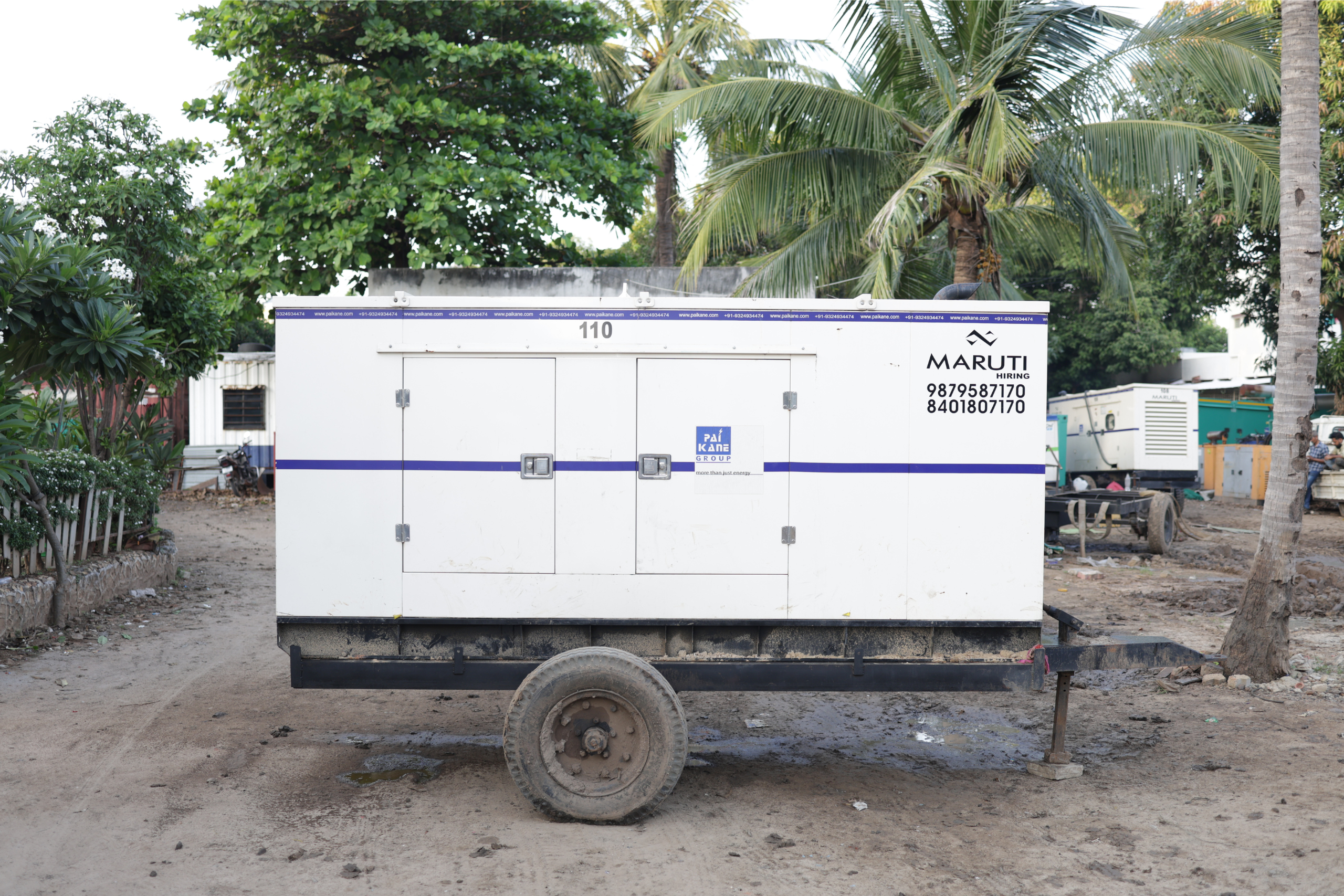
In today’s fast-paced business environment, commercial facilities depend heavily on uninterrupted power to maintain daily operations. Offices, shopping complexes, data centers, hospitals, hotels, and warehouses all rely on electricity for lighting, security systems, IT infrastructure, HVAC, and essential equipment. A sudden power outage can lead to operational disruptions, financial losses, and safety risks, making backup power a critical requirement for commercial facilities.
One of the primary reasons backup power is essential is business continuity. Even a short power interruption can halt productivity, disrupt customer service, and damage a company’s reputation. Backup power systems such as generators ensure that essential operations continue seamlessly during outages, allowing businesses to meet commitments and avoid downtime-related losses.
Backup power also plays a vital role in safety and security. Emergency lighting, fire alarm systems, access controls, and surveillance cameras must remain operational at all times. In commercial spaces with high foot traffic, a power failure without backup can pose serious safety hazards. Reliable backup power helps protect employees, customers, and valuable assets.
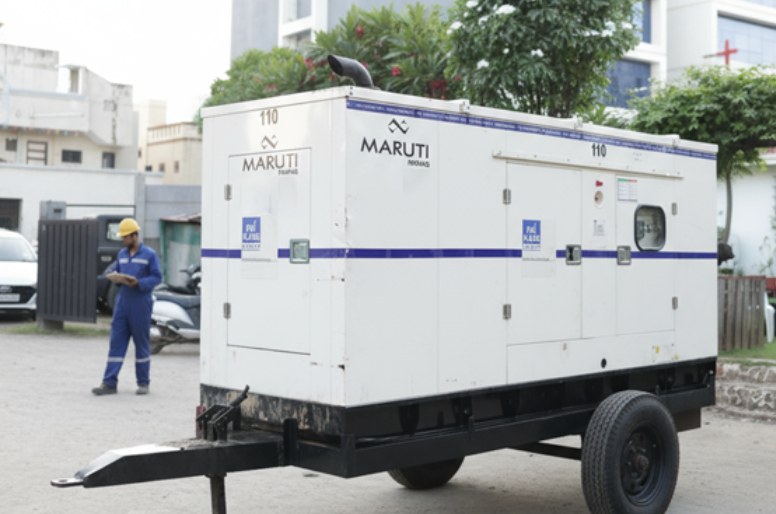
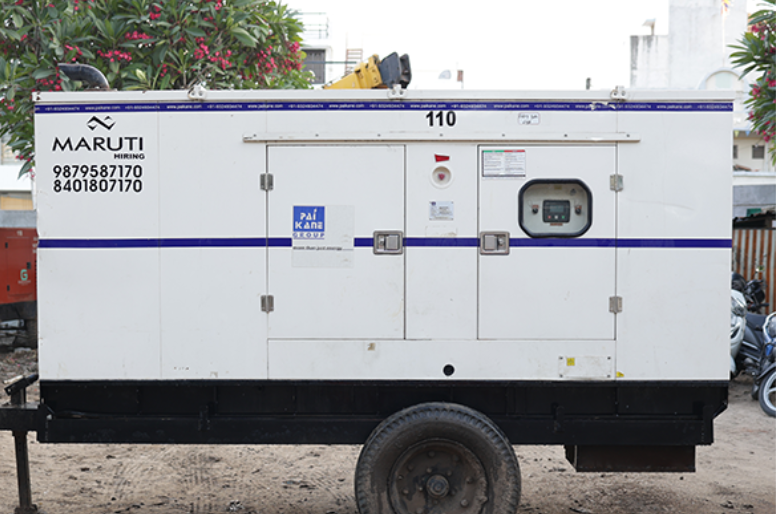
For facilities that depend on sensitive equipment, such as IT servers, medical devices, or refrigeration units, power reliability is non-negotiable. Sudden power loss can cause data corruption, equipment damage, or spoilage of temperature-sensitive goods. Backup power systems provide stable electricity until normal power supply is restored.
Another important aspect is regulatory compliance. Many commercial facilities are required by safety and building regulations to have emergency power systems in place. Having a reliable backup power solution ensures compliance with these standards and avoids potential penalties.
In conclusion, backup power is not just a contingency plan but a strategic investment for commercial facilities. It ensures uninterrupted operations, enhances safety, protects critical systems, and safeguards revenue. By implementing effective backup power solutions, businesses can operate with confidence, even during unexpected power disruptions.