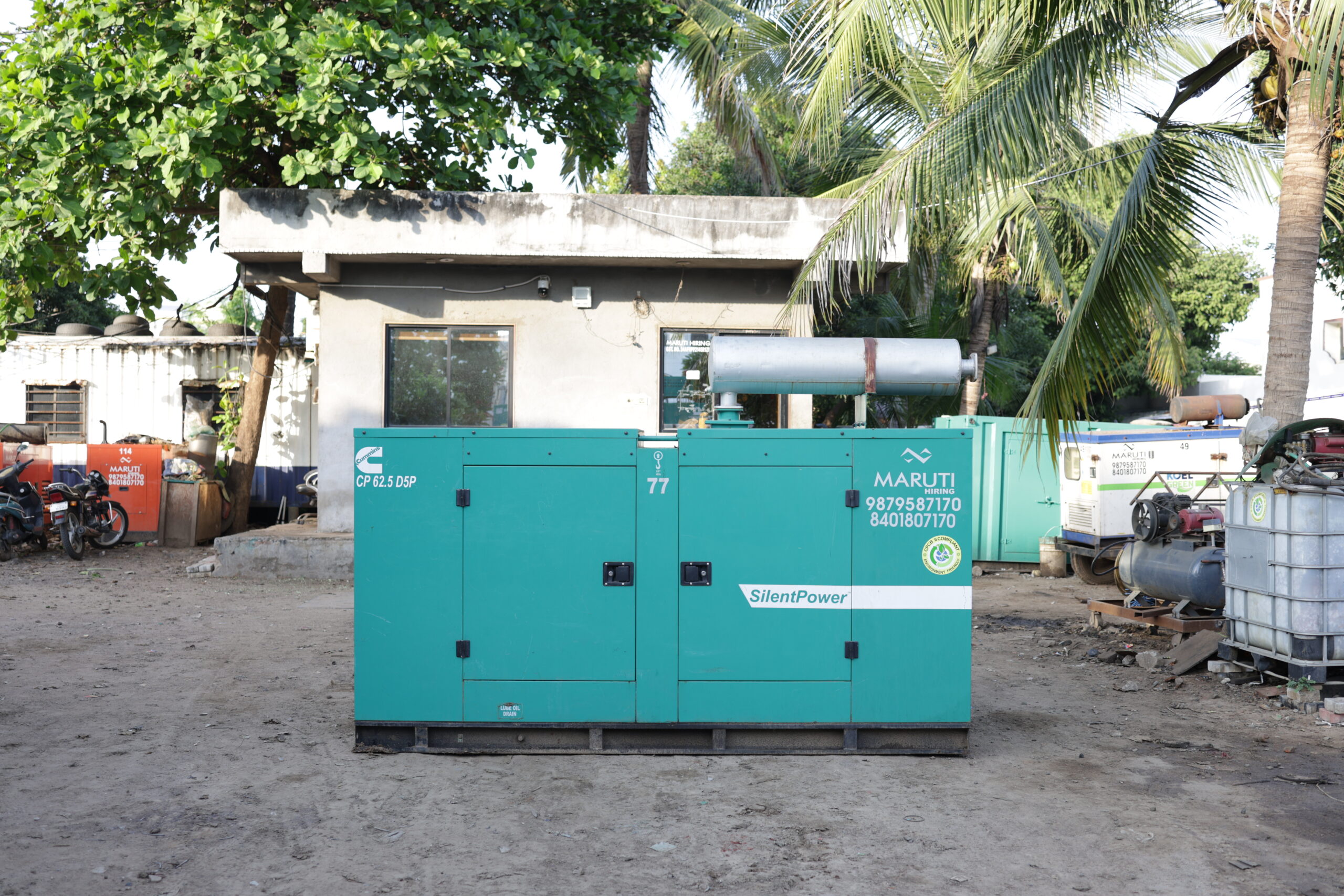
Selecting the right generator size is one of the most important decisions when planning a construction project, industrial operation, commercial event, or emergency backup system. Choosing a generator that’s too small can lead to power failures and equipment damage, while an oversized generator may result in unnecessary rental costs and reduced efficiency.
This generator size guide will help you understand how to determine the ideal generator capacity for your project. Whether you need temporary power for a small event or a high-capacity industrial solution, knowing your power requirements ensures reliable performance and cost-effective operation.
If you’re looking for DG set rental Gujarat, understanding generator sizing is the first step towards uninterrupted power.
Why Choosing the Right Generator Size Matters
Every project has unique power requirements. A generator should comfortably handle both your running load and any additional surge load created when equipment starts.
Choosing the correct generator capacity helps you:
- Avoid unexpected power interruptions
- Protect valuable machinery and electrical equipment
- Improve fuel efficiency
- Reduce rental expenses
- Ensure smooth project operations
For businesses that rely on continuous power, selecting the right generator isn’t just about electricity—it’s about maintaining productivity.
Step 1: Calculate Your Total Power Requirement
Before selecting a generator, list every electrical device or machine that will run simultaneously.
Consider equipment such as:
- Air conditioners
- Lighting systems
- Water pumps
- Construction machinery
- Compressors
- Office equipment
- Industrial motors
- Sound and event systems
Add together the total running power (kW or kVA) and allow extra capacity for startup currents, particularly for motors and compressors.
As a general recommendation, adding 15–25% spare capacity provides flexibility and helps prevent generator overloading.
Step 2: Understand Generator Capacity Ranges
Different projects require different generator capacities. Here’s a practical overview.
10–30 KVA Generators
Best suited for:
- Small offices
- Retail shops
- Small events
- Residential backup
- Security cabins
These generators provide economical temporary power where electrical demand is relatively low.
40–125 KVA Generators
Ideal for:
- Medium-sized commercial buildings
- Construction sites
- Restaurants
- Warehouses
- Educational institutions
This range is commonly used where multiple electrical systems need reliable backup.
160–500 KVA Generators
Recommended for:
- Manufacturing facilities
- Hospitals
- Large commercial complexes
- Industrial plants
- Large construction projects
These generators can support substantial electrical loads for continuous operations.
625–2000 KVA Generators
Designed for:
- Heavy industries
- Infrastructure projects
- Oil & gas operations
- Mining sites
- Data centres
- Large-scale events
High-capacity generators provide dependable power for mission-critical operations with demanding energy requirements.
Step 3: Consider the Type of Project
Generator selection depends on more than just electrical load.
Construction Sites
Construction equipment often has high startup currents. Cranes, welders, compressors and mixers require generators capable of handling fluctuating loads throughout the day.
Manufacturing Industries
Factories typically operate multiple heavy machines simultaneously. Selecting adequate generator capacity ensures uninterrupted production and minimises downtime.
Commercial Buildings
Offices, hotels and shopping centres require reliable backup for lighting, lifts, HVAC systems and IT infrastructure.
Events and Weddings
Temporary events require silent, dependable generators that can support lighting, sound systems, catering equipment and air conditioning without interruption.
Step 4: Think About Future Expansion
Many businesses underestimate future power requirements.
If additional machinery, equipment or temporary facilities may be added during your project, choosing a generator with some spare capacity can save the cost and inconvenience of upgrading later.
Planning ahead ensures your power solution remains suitable as operations grow.
Common Mistakes When Choosing Generator Size
Avoid these frequent sizing errors:
Choosing the Cheapest Option
Lower-capacity generators may appear cost-effective initially but can struggle with higher loads, leading to equipment failures and operational delays.
Ignoring Starting Loads
Motors and heavy machinery often require significantly more power during startup than during normal operation.
Forgetting Continuous Load
Projects running generators for extended periods should select equipment designed for continuous-duty applications.
Not Seeking Professional Advice
Power calculations can become complex for industrial projects. Professional assessment helps prevent costly mistakes.
Benefits of Renting the Right Generator
Generator rental offers flexibility without the significant investment of purchasing equipment.
Advantages include:
- Access to multiple generator capacities
- Reduced maintenance responsibility
- Professional installation
- Fuel management support
- Operator assistance where required
- Fast replacement in emergencies
For short-term projects, seasonal demand or emergency backup, generator rental is often the most practical and economical solution.
Choosing the Right Generator Partner
Generator size is only one part of the equation. The quality of service and technical support also play a crucial role.
When selecting a generator rental provider, look for:
- A wide range of generator capacities
- 24/7 emergency support
- Delivery and installation services
- Preventive maintenance
- Fuel management solutions
- Experienced technical assistance
A provider offering complete end-to-end support can minimise downtime and keep your project running smoothly.
Why Businesses Across Gujarat Choose Maruti Hiring
Choosing the right generator becomes much easier when you have access to a diverse fleet and experienced support.
Maruti Hiring provides diesel generator rental solutions ranging from 10 KVA to 2000 KVA, serving industrial, commercial and event-based power requirements across Vadodara and Gujarat. Beyond generator rental, the company offers delivery, installation, fuel management, operator support and maintenance, with 24/7 availability for both planned and emergency power needs.
Whether you require temporary power for a construction site, manufacturing facility, hospital, corporate office or large-scale event, having access to multiple generator capacities ensures you can select the most efficient solution for your project.
Conclusion
Selecting the correct generator size doesn’t have to be complicated. By understanding your total power requirements, accounting for future growth and choosing equipment suited to your application, you can avoid unnecessary costs while ensuring reliable performance.
This generator size guide is a useful starting point for businesses planning temporary or emergency power solutions. If you’re searching for dependable DG set rental Gujarat, working with an experienced rental provider that offers a complete range of generator capacities and end-to-end support can help keep your operations running without interruption.